
The Benefits of Closed Cell Spray Foam Insulation
Updated: Mar 19, 2025

When insulating your home or building, you want an effective, long-lasting, and energy-efficient option. One of the favored choices for modern insulation is closed cell spray foam. This insulation type offers many benefits, making it a popular option for homeowners and businesses. But what exactly is closed cell, and why is it such an excellent choice for insulation? Let's dive in and explore everything you need to know.
What is Closed Cell Spray Foam?
Closed-cell is insulation made from a two-component mixture of chemicals that expands when applied. The result is a dense, rigid foam that fills the gaps and cracks within wall, ceiling, and floor systems. Its structure is the key feature that distinguishes closed-cell foam from other insulation materials.
Closed-cell foam has tightly packed and sealed bubbles or cells, which gives it its name. Unlike open-cell foam, which is less dense and allows more air to pass through, the foam's cells are completely encapsulated. Because of this structure, closed-cell has many benefits that other types of insulation simply can’t match.
Top Benefits of Closed Cell Spray Foam Insulation
Superior Insulation Performance
Closed cell spray foam provides a high R-value per inch of thickness, making it one of the most effective insulation options. R-value measures the insulation's ability to resist heat flow—the higher the R-value, the more effective the insulation. Closed-cell typically provides an R-value of around 6 to 7 per inch, significantly higher than fiberglass or cellulose insulation. Increased thermal resistance means a warmer home in the winter and a cooler home in the summer.
Moisture Resistance
One of the standout features of closed cells is their ability to resist moisture. The foam's dense structure makes it water-resistant, helping protect your home from issues like mold growth, rot, and mildew. This quality is crucial for homes along the Jersey Shore, prone to high humidity, or where moisture infiltration is a concern, such as basements, crawl spaces, and attics. The closed cells prevent water from passing through the foam, ensuring your home stays dry and safe.
Energy Efficiency and Lower Utility Bills
Closed cell insulation creates an airtight seal, improving your home’s energy efficiency. Insulating small gaps and cracks in wall, floor, and ceiling systems prevents heat exchange from indoors to out. This leads to lower heating and cooling costs as HVAC systems do not need to work as hard to maintain a comfortable temperature. In fact, studies show that spray foam insulation can save homeowners between 30-50% on energy bills annually. New Jersey is expensive as is–your utilities don’t have to be.
Increased Structural Strength
The density of closed cell provides excellent insulation and adds an extra layer of strength to your building. When applied, the foam bonds to surfaces like wood, metal, and concrete, helping to reinforce the structure of your home or building. As a reinforcing agent for your walls and roof, the foam can provide added protection against strong winds, storms, and even earthquakes.
Soundproofing Benefits
Closed cell can also help with soundproofing. The dense nature helps reduce noise transmission between rooms and from the outside, making it an excellent choice for homes in noisy areas or those who simply want to enjoy a quieter environment. Reducing sound vibrations provides a more peaceful and private home.
Long-Term Durability
Once applied, closed cell insulation is incredibly durable and long-lasting. Unlike fiberglass, which can settle and show diminished insulating properties over time, closed cell foam doesn’t sag or deteriorate. It remains in place and will provide high-performance insulation for decades. Additionally, it’s resistant to pests, so you won’t have to worry about insects or rodents damaging the foam.
Eco-Friendly Option
Closed cell foam is a synthetic material, but many manufacturers offer enhanced, environmentally friendly options that use renewable resources and low-impact chemicals. Additionally, because it improves energy efficiency, it indirectly reduces your home's carbon footprint by reducing the need for energy from fossil fuels. It is an eco-conscious choice for those looking to reduce their environmental impact.

Conclusion
Closed cell insulation is one of today's most effective, durable, and energy-efficient insulation options. With its superior R-value, moisture resistance, ability to improve energy efficiency, and added structural strength, it’s clear why so many homeowners and businesses choose it for their insulation needs.
Closed cell is a sensible medium-term investment for long-lasting insulation to protect your home from the elements, improve comfort, and save money on energy bills. Consult with us to see if it’s the right option, and we’ll ensure it is installed correctly. With its numerous benefits, closed cell spray foam will help keep your home safe, comfortable, and energy-efficient for years.


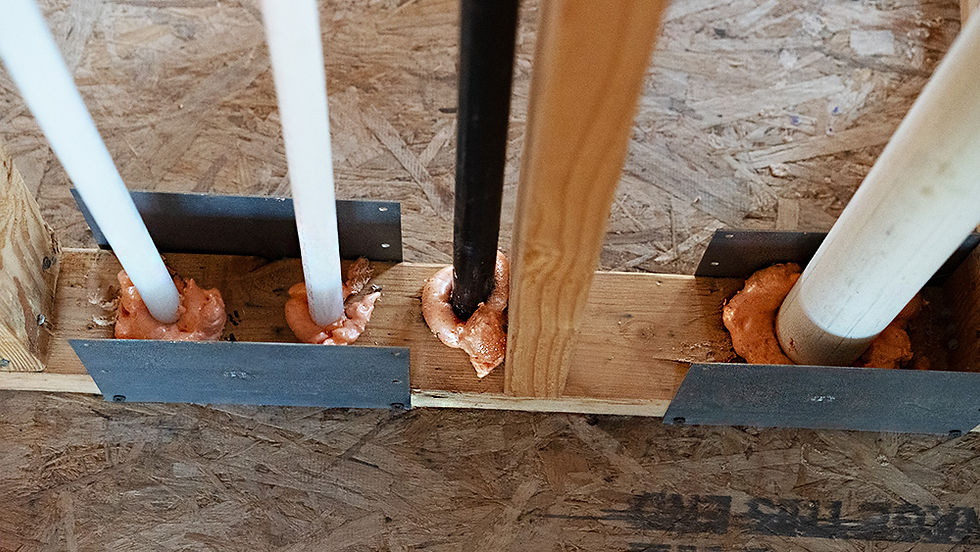
Spray foam, especially closed cell, is the best long-term solution for most situations. For new construction or a major remodel, it is almost criminal to pass up the opportunity to insulate with spray foam; however, if there is existing fiberglass insulation, often times it is more cost effective to go over the top with blown-in insulation.
Closed-cell spray foam insulation is impressive for its high R-value, moisture resistance, and energy efficiency. It not only strengthens walls but also reduces noise and utility bills. Homes with spray foam insulation stay comfortable year-round while protecting against mold and drafts.